1. Bolt Action Rifles
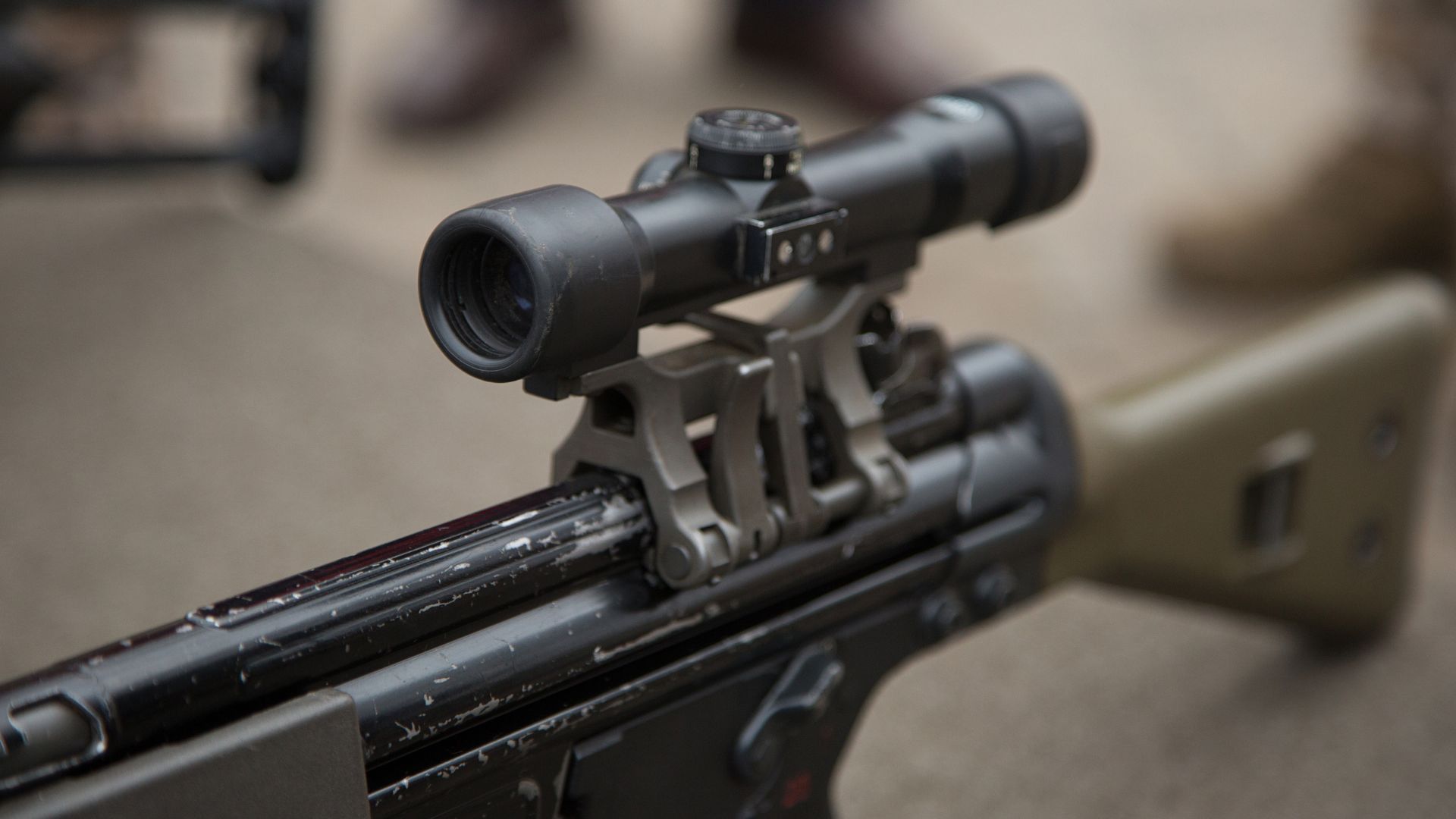
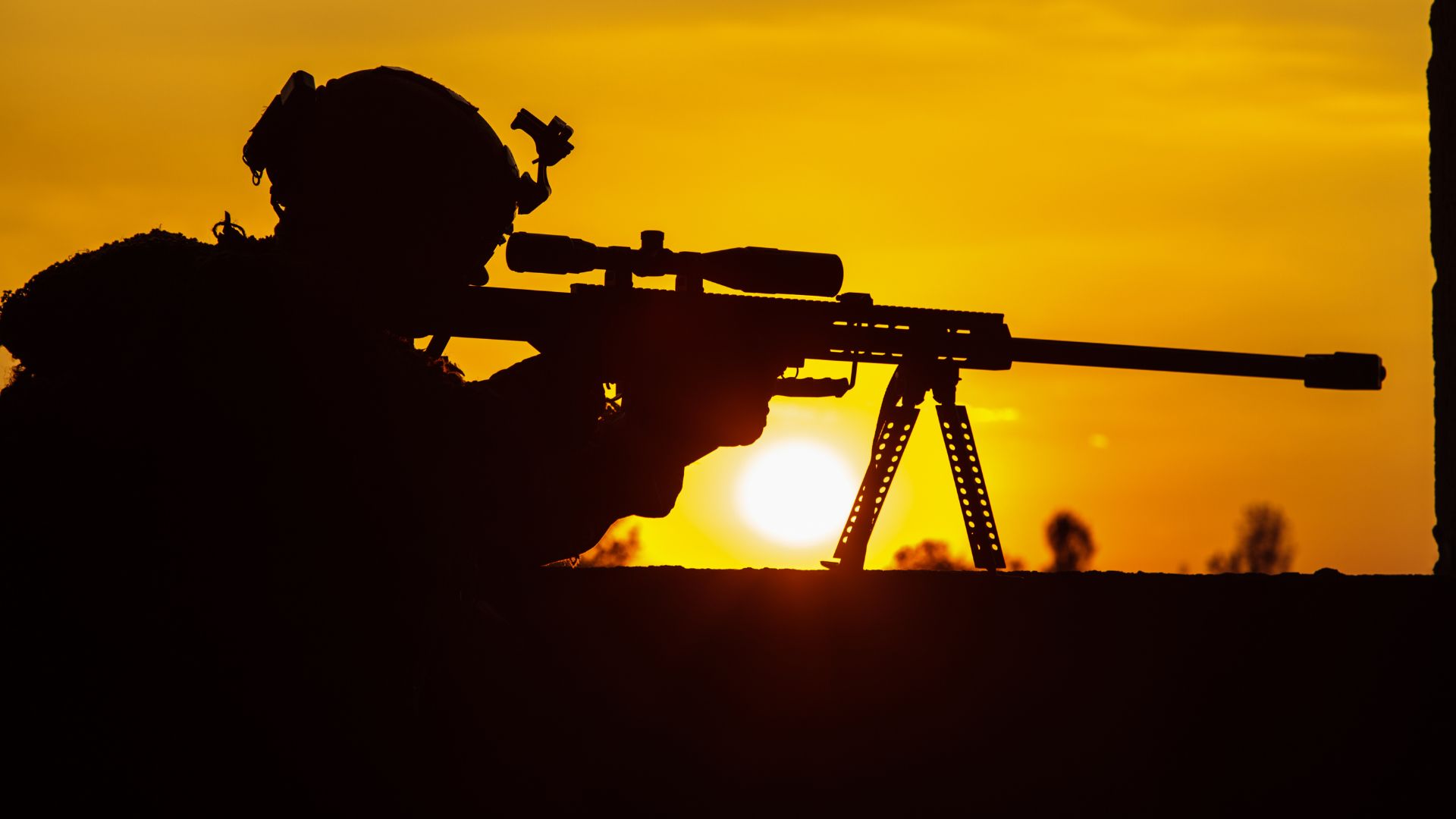
How They Work: A bolt action rifle requires the shooter to manually lift and pull back the bolt after each shot to eject the spent casing and chamber the next round.
Pros:
-
Exceptional accuracy
-
Fewer moving parts = higher reliability
-
Great for long-range shooting and hunting
Cons:
-
Slower rate of fire
-
Requires manual operation between shots
-
Less ideal for self-defense or fast-paced shooting scenarios
Best For: Long-range precision, hunting, target shooting
2. Lever Action Rifles
How They Work: Lever action rifles use a lever located near the trigger guard to load a new cartridge and eject the spent one.
Pros:
-
Fast follow-up shots compared to bolt actions
-
Classic, compact design
-
Easy to operate with practice
Cons:
-
Limited magazine capacity
-
Not ideal for mounting modern optics
-
Slower than semi-automatics
Best For: Medium-range hunting, recreational shooting, cowboy-action fans
3. Breech Loading Rifles (Single Shot)
How They Work: Breech loading rifles are manually loaded from the rear of the barrel and usually only hold one round at a time.
Pros:
-
Simple and reliable
-
Lightweight and easy to maintain
-
Great for teaching marksmanship fundamentals
Cons:
-
Very slow rate of fire
-
No follow-up shots without reloading
-
Not practical for most modern uses
Best For: Beginners learning fundamentals, single-shot hunting, historical firearm enthusiasts
4. Pump Action Rifles
How They Work: The shooter cycles the fore-end (or pump) back and forth to eject the spent round and chamber a new one — much like a pump-action shotgun.
Pros:
-
Faster than bolt or lever actions
-
Reliable with many types of ammunition
-
More control over cycling compared to semi-autos
Cons:
-
Less common than other types
-
Slightly more complex manual operation
-
Requires practice for speed and consistency
Best For: Varmint control, sport shooting, shooters who prefer manual actions
5. Semi-Automatic Rifles
How They Work: These rifles automatically cycle the action, eject the spent cartridge, and load a new round after each shot — with no manual action needed between shots.
Pros:
-
Fastest rate of fire (one trigger pull = one shot)
-
Easy follow-up shots
-
Widely available with customizable platforms (like the AR-15)
Cons:
-
More parts = more maintenance
-
Can be sensitive to poor-quality ammo
-
Some states may have legal restrictions
Best For: Home defense, sport shooting, training, tactical applications
Choosing the Right Rifle for You
As a beginner, your choice should reflect your intended use, your comfort level with firearm operation, and your interest in maintenance and training. Here’s a quick summary:
| Use Case | Recommended Rifle Type |
|---|---|
| Long-range hunting or target | Bolt Action |
| Traditional or western style shooting | Lever Action |
| Learning fundamentals | Breech Loading |
| Manual but fast shooting | Pump Action |
| Versatile and modern applications | Semi-Automatic |
At Valor Forge, we specialize in purpose-built rifles for a variety of applications. Whether you’re looking to start with a reliable bolt-action rifle or want to dive into the modular world of AR-15 style semi-automatics, we can guide you every step of the way — from selection to training.
Need help picking your first rifle?
Contact our team or visit our shop for expert recommendations and hands-on support.
0 Comments